
ASHFORD IN THE WATER - 29/12/03
Today we visit the small village of Ashford in the Water. This Peak District village is located 2 miles to the North West of Bakewell, for a map of the area click here. The weather is clear and dry, but cold. The temperature only reaching above freezing in the sun.
 |
 |
 |
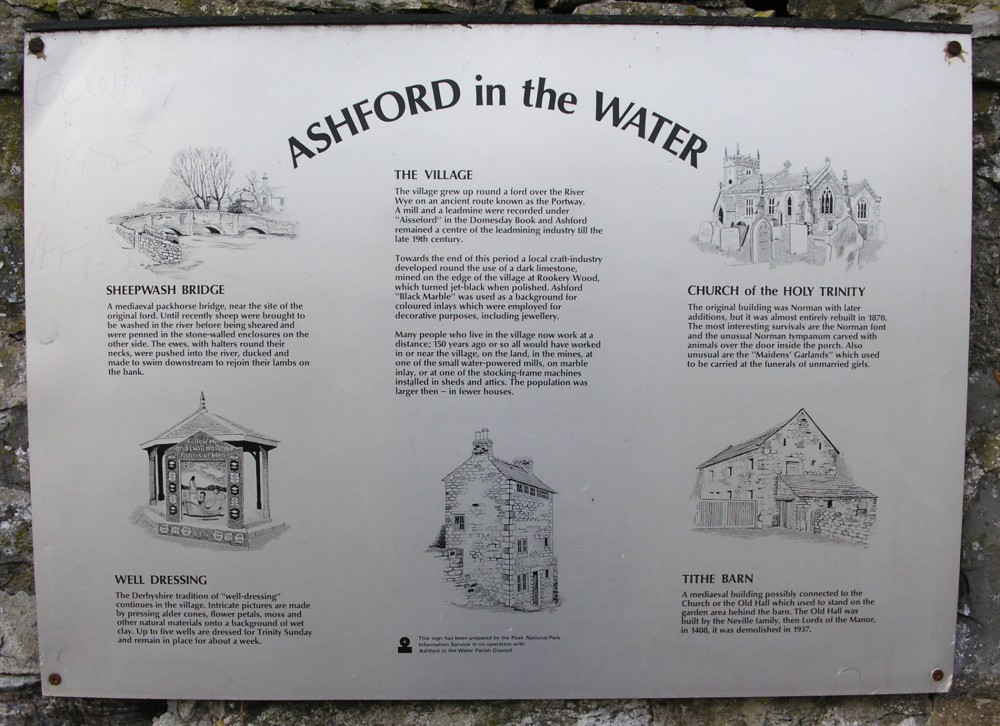
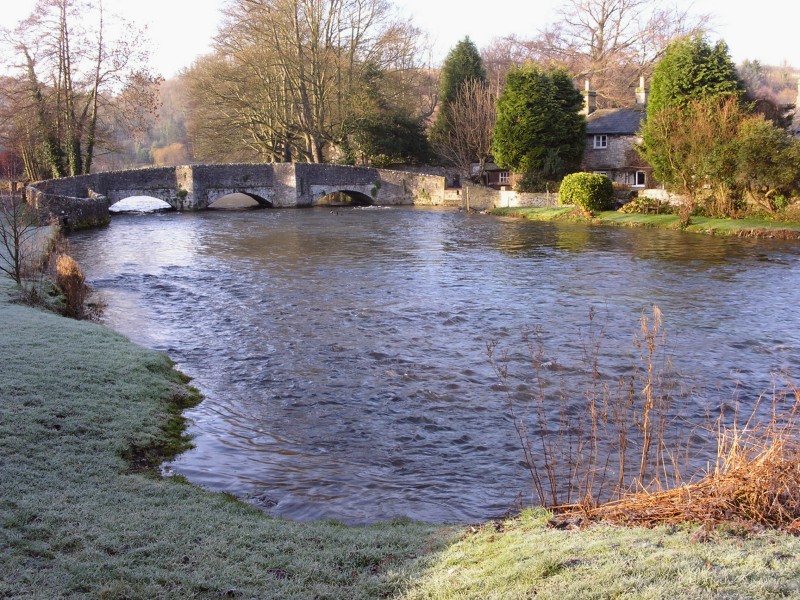
| Details of the attractions here in the photo on the left above. The most well known feature of the village is probably the Sheepwash Bridge as shown in the centre photo above. Sheep were washed here in the River Wye prior to shearing. The sheep were dumped in the river at one side whilst their lambs were positioned on the other bank so they swam across to them. | ||
 |
 |
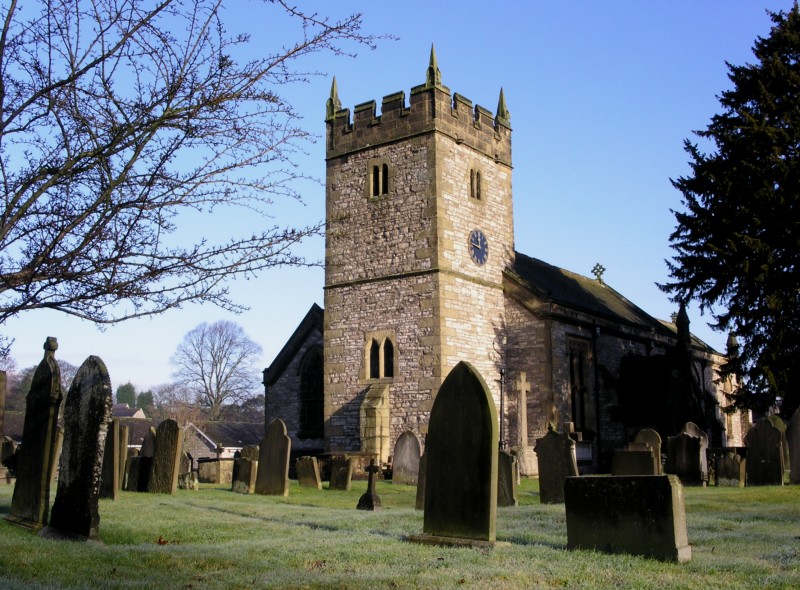 |
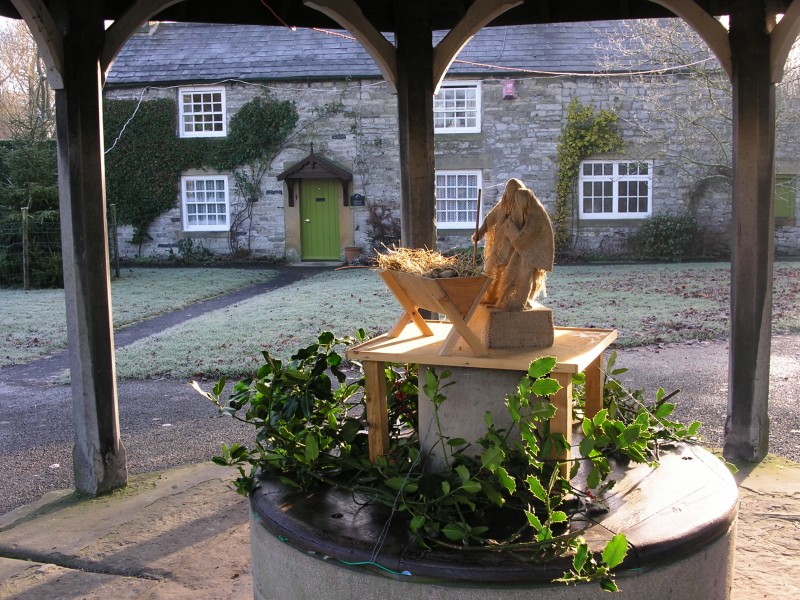
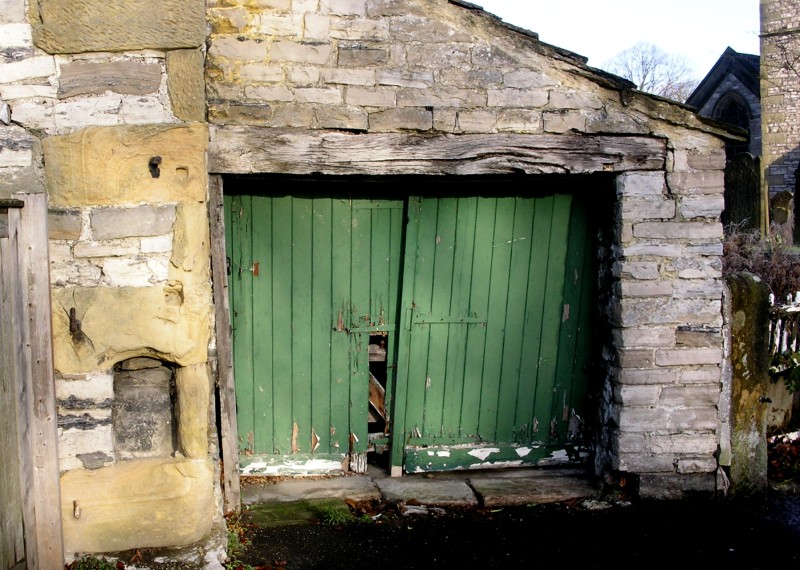
| Left photo features a Nativity Scene on the old parish pump. Centre photo is part of the medieval Tithe Barn. The Holy Trinity Church, as right photo was first built here in Norman times but was mostly rebuilt around 1870. | ||
 |
 |
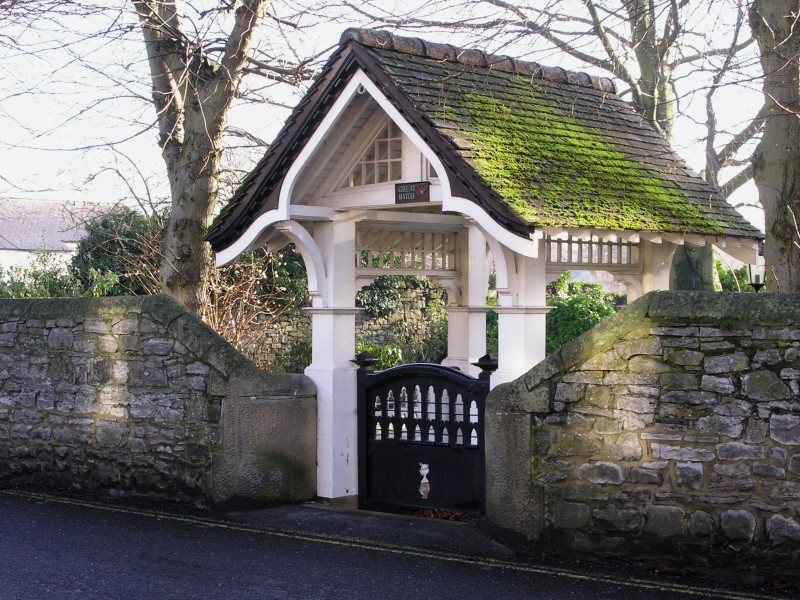 |
| Ashford is known for it's black marble, first quarried in 1748. Other local industries include lead mining and candle making. The village appears in the Doomsday Book as 'Aisseford' which means 'the ford of the ash'. | ||
|
|
|
|
|
Images Copyright Nicky Griffiths 2003- |


